
Requesters can enforce their rights under the California Public Records Act by sending a formal demand letter or filing a lawsuit for injunctive relief if an agency denies or ignores a request. While agencies must respond within statutory deadlines, the court system provides the only formal mechanism to challenge an exemption claim and compel the disclosure of public records.
Navigating the bureaucratic maze of the California Public Records Act often feels like a deliberate exercise in frustration. Whether you are facing unexplained delays, excessive fees, or blanket denials, these obstacles can compromise your ability to secure critical information for legal or advocacy purposes. At the California Civil Defense Institute, we recognize that transparency is the cornerstone of government accountability. A precise understanding of the CPRA is essential for anyone challenging state or local government actions. This guide provides a sophisticated roadmap through the statutory landscape. We will examine the mandatory 10 day response deadline, the specific criteria for 14 day extensions, and the narrow exemptions agencies frequently cite to withhold data. Furthermore, we will outline practical enforcement strategies for when requests are ignored and explain how to contest unlawful costs. You will gain the tools necessary to hold public agencies accountable to the letter of the law.
Understanding Your Rights Under the California Public Records Act
The California Public Records Act serves as a fundamental pillar of government accountability, ensuring that the people remain the masters of their representative institutions. At its core, the statute operates on a clear presumption of disclosure: every record maintained by a state or local agency is open to public inspection unless the agency can identify a specific, narrow statutory exemption. This framework shifts the burden of proof to the government, requiring it to justify why information should be kept from the public eye.
While often compared to the federal Freedom of Information Act (FOIA), the California Public Records Act is a distinct body of state law. FOIA applies only to federal executive departments and agencies, whereas the CPRA governs California's state and local bodies, including city councils, police departments, county boards of supervisors, and special districts.
As a Northern California watchdog, the California Civil Defense Institute (CCDI) leverages this statute as a primary tool for investigating misuse of public funds and exposing police misconduct. Public records provide the empirical evidence necessary to hold officials accountable for constitutional violations or administrative overreach. Understanding how to navigate these rights is the first step in enforcing the California Public Records Act when transparency is met with resistance. Before submitting a request, learning How to File a California Public Records Act Request can help you craft a targeted inquiry that minimizes delays and maximizes the quality of the information received.
CPRA Deadlines: The 10 Day Rule and 14 Day Extensions

Transparency is only effective when it is timely. Under the California Public Records Act, specifically Government Code section 7922.535, agencies are bound by strict statutory deadlines designed to prevent bureaucratic stonewalling. Upon receipt of a request, an agency has 10 days to determine whether the request seeks disclosable public records in the possession of the agency. They must notify the requester of this determination in writing, stating the reasons for any potential denials.
In instances involving unusual circumstances, an agency may extend this 10 day period by an additional 14 days. However, this is not an automatic right to delay. The agency must provide written notice to the requester setting forth the specific reasons for the extension and the date on which a determination is expected. The statute defines unusual circumstances narrowly:
The need to search for and collect records from field facilities or separate offices.
The need to search for, collect, and appropriately examine a voluminous amount of separate and distinct records demanded in a single request.
The need for consultation with another agency having a substantial interest in the determination or among two or more components of the same agency.
A common tactic for avoiding transparency is providing a generic confirmation of receipt. Requesters should be aware that a mere acknowledgement is insufficient. The agency’s initial determination must include an estimated date and time for the actual production of records. If an agency fails to meet these timelines, it may be a sign of systemic noncompliance, requiring more aggressive measures for enforcing the California Public Records Act. Delays without a statutory basis are a primary indicator of government friction that CCDI actively monitors to ensure administrative accountability.
Common CPRA Exemptions: When Agencies Can Lawfully Say No

Even when an agency meets its procedural deadlines, it may still decline to release specific information by claiming a statutory exemption. The California Public Records Act contains dozens of these exceptions, but agencies most frequently rely on a handful of specific provisions to limit transparency. Understanding these categories is essential for identifying when a government body is lawfully protecting sensitive data and when it is overreaching.
Four of the most commonly cited exemptions include:
Personnel Records (Gov. Code § 7927.700): This protects the personal privacy of government employees. However, it is not a blanket shield. Public officials' names, titles, and salaries are generally public, as are records related to sustained findings of serious misconduct.
Pending Litigation (Gov. Code § 7927.200): Records specifically prepared for use in litigation where the agency is a party may be withheld, but only until the litigation is resolved. Agencies cannot use this to hide records that existed before the lawsuit was filed.
Deliberative Process Privilege (Gov. Code § 7922.000): Often called the catch-all exemption, this allows agencies to withhold records if they can prove the public interest in non-disclosure clearly outweighs the public interest in disclosure. It is intended to protect pre-decisional advice and internal debates.
Investigative Files (Gov. Code § 7923.600): While law enforcement records are often protected during active investigations, recent transparency reforms now mandate the disclosure of records involving officer-involved shootings, use of force resulting in great bodily injury, and sustained findings of sexual assault or dishonesty.
It is important to distinguish between withholding a document entirely and redacting specific information. The law requires agencies to disclose any reasonably segregable portion of a record after exempt parts have been deleted. An agency cannot lawfully withhold a ten page report simply because one paragraph is exempt. Furthermore, the agency must justify every single redaction by citing the specific code section they are relying upon. If an agency fails to provide these citations, they are likely in violation of the law, which may necessitate further action in enforcing the California Public Records Act to ensure full transparency.
What to Do When Your Public Records Request Is Ignored
Silence from a government agency is a common tactic used to exhaust a requester’s patience, but it carries specific legal consequences. In the context of the California Public Records Act, an agency’s failure to provide a timely response or an estimated production date is often treated by courts as a constructive denial. When a statutory deadline passes without a determination, the most effective immediate step is to send a formal follow-up letter. This communication should be professional yet assertive, documenting the exact date the request was submitted and citing the agency’s failure to meet the requirements of Government Code section 7922.535.
Your letter should remind the agency that the law requires a written response within ten days and that the prevailing party in a subsequent lawsuit is entitled to mandatory attorney’s fees. It is critical to understand that, unlike federal FOIA requests or transparency laws in other states, California provides no administrative appeal process. There is no higher bureaucrat or oversight board to petition for a reversal. Once an agency ignores a request or issues a final denial, the only formal recourse for enforcing the California Public Records Act is filing a petition for writ of mandate in Superior Court. Documenting this initial silence and your subsequent attempts to meet and confer is a prerequisite for building a successful case for government transparency.
Enforcement and Litigation: Holding Agencies Accountable
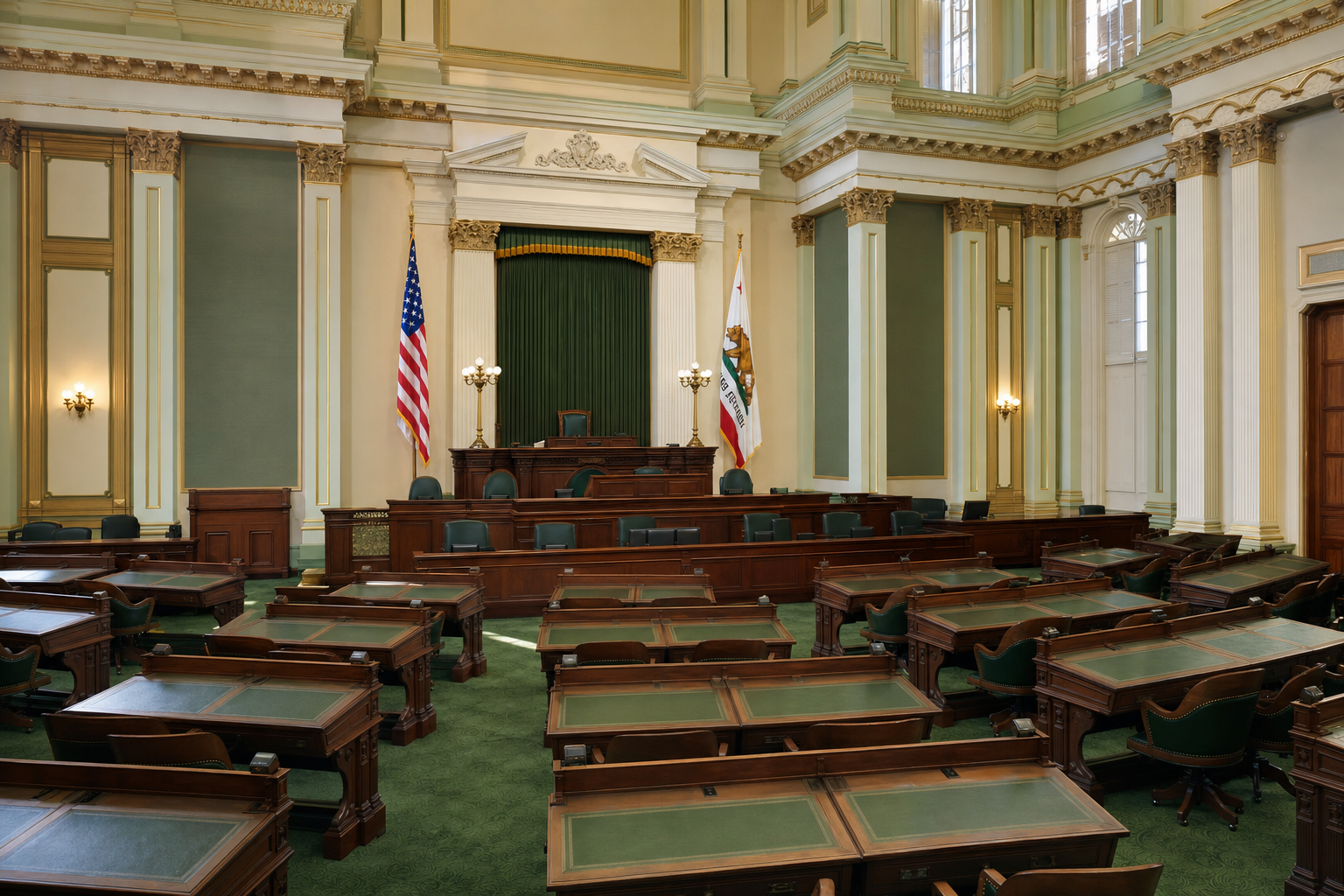
When administrative persistence fails, the California Public Records Act provides a singular path for enforcement: judicial intervention. Because California lacks a state level oversight board or an administrative appeal process, the only formal mechanism to challenge a record withholding or an unreasonable delay is filing a lawsuit in Superior Court. This typically takes the form of a petition for writ of mandate, asking a judge to order the agency to comply with its statutory duties.
The most potent tool for enforcing the California Public Records Act is the mandatory fee-shifting provision. Under Government Code section 7923.115, a court shall award court costs and reasonable attorney's fees to the requester should they prevail in litigation. This prevailing party rule serves as a vital equalizer between individual citizens and well-funded government bureaucracies. It ensures that the cost of legal representation does not become a permanent barrier to transparency, as the government is forced to internalize the cost of its own non-compliance.
Action Type | Legal Basis | Objective |
|---|---|---|
Writ of Mandate | Gov. Code § 7923.100 | Compel the production of records |
Declaratory Relief | Code Civ. Proc. § 1060 | Formal declaration that an agency's policy is illegal |
Injunctive Relief | Gov. Code § 7923.100 | Prevent future or ongoing statutory violations |
For a litigation organization like CCDI, this statutory right to fees is fundamental to our mission. If a judge finds that an agency unlawfully withheld even a single non-exempt record, the agency is generally liable for the litigation costs. This creates a significant financial risk for agencies that choose to stonewall, making strategic litigation a highly effective method for ensuring long term government accountability.
Is the Agency Charging You Too Much for Records:
The cost of obtaining documents is a frequent friction point used to deter transparency. Under the California Public Records Act, agencies are generally limited to charging for the direct cost of duplication. This typically covers the price of paper copies or the postage required to mail them. If you request records in an electronic format that already exists, the cost should be negligible or non-existent, as there is no physical duplication involved.
A common illegal tactic used to discourage citizens is the assessment of search or redaction fees. Agencies may claim they need to bill for the hourly wages of staff members who search for files or review documents for exempt information. However, California courts have clarified that agencies cannot charge for the time spent redacting records or searching for them. The public should not be billed for the government’s internal administrative tasks, including the time spent by a city attorney or clerk to scrub sensitive information from a file.
Type of Charge | Lawfulness | Description |
|---|---|---|
Photocopying | Lawful | The direct cost of paper and toner only. |
Search Time | Unlawful | Agencies cannot bill for time spent locating records. |
Redaction Time | Unlawful | Agencies must bear the cost of identifying and removing exempt info. |
Programming | Limited | Permitted only for complex data extraction not regularly performed. |
While an agency might charge for specialized programming if your request requires data compilation or extraction from a complex database, this is a narrow exception. If an agency presents a massive invoice as a prerequisite for enforcing the California Public Records Act, it often serves as a signal that they are attempting to price you out of your right to government oversight.
How CCDI Supports Transparency and Civil Liberties
The California Civil Defense Institute serves as a tactical resource when the government attempts to obscure its actions through fees or procedural delays. We utilize the California Public Records Act to build the evidentiary record necessary for administrative law reform and the exposure of zoning abuses that threaten economic freedom. By supporting First Amendment audits and investigating police practices, we convert raw data into actionable accountability. When a watchdog identifies a violation but lacks the capacity for litigation, CCDI provides the legal expertise required for enforcing the California Public Records Act in court, ensuring that transparency is not a request, but a requirement.
Mastering the intricacies of the California Public Records Act is crucial for transparency, yet navigating specific exemptions and enforcement timelines remains a complex task. While individuals can certainly manage their own requests, the legal nuances often demand a more precise strategy to ensure success. If you want expert help navigating these hurdles or refining your approach, professional assistance can provide the necessary clarity. You can learn more About our commitment to legal education and support by visiting our dedicated page.