
Fighting Government Abuse. Building a Better California.
We are not anti-government; we are anti-abuse and corruption. We believe the measure of good government is not whether it is larger or smaller, but whether it is fair, effective, transparent, and accountable to the people it serves. Sometimes human flourishing requires government to step back, remove unnecessary barriers, and leave people free to make their own choices. At other times, effective public institutions are necessary to protect rights, enforce fair rules, provide essential services, or address problems individuals cannot reasonably solve alone. We see ourselves as both supporters and watchdogs of government. Our goal is better government: transparent, competent, limited where appropriate, effective where necessary, and always accountable to the public it serves.
Built to fight government overreach
Our work focuses on the places where government power most directly affects individual rights and everyday life. That includes enforcing the California Public Records Act to promote transparency and accountability, investigating misuse of public funds, addressing police misconduct, challenging abusive permitting and zoning practices, advancing administrative law reform, and defending First Amendment rights. These are the practical areas where we work to ensure that public institutions remain accountable to the people they serve. Our commitments reflect the broader values that shape that work: access to justice, social and economic fairness, corporate and government accountability, civil liberties, individual liberty, and voluntary cooperation. We believe people should have meaningful ways to challenge institutions with greater power, whether those institutions are governmental or private, and that rights should exist not merely on paper but in practice.
Focused on Impact
The California Civil Defense Institute brings together leaders, attorneys, researchers, and advocates working through public-records investigations, strategic communications, litigation, and policy reform to fight government abuse, expose corruption, and hold powerful government accountable.
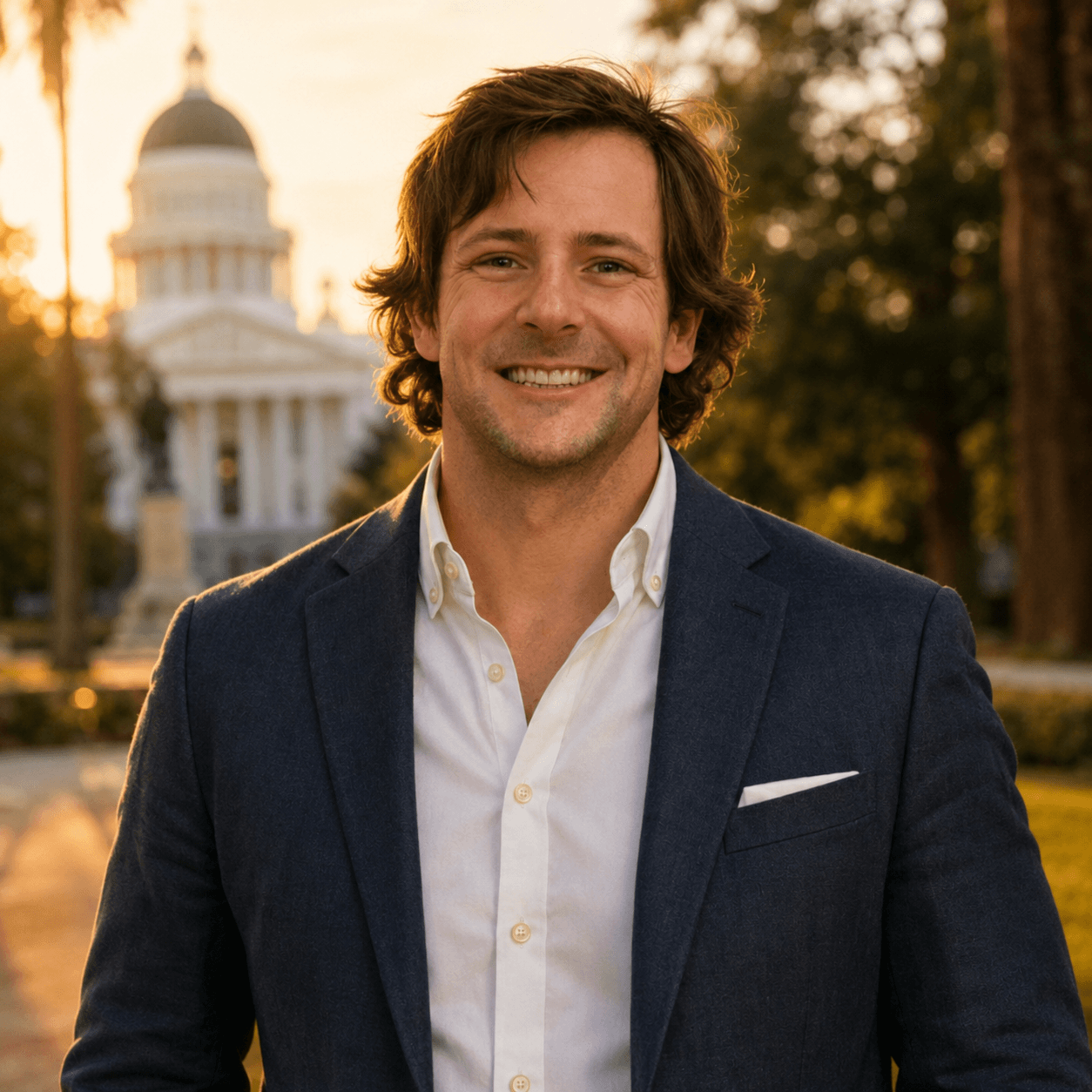
Greg Hansen
Founder and President
Greg Hansen is the Founder and President of the California Civil Defense Institute, where he leads organizational strategy, operations, growth, partnerships, investigations, communications, and the development of new initiatives to hold government accountable. He brings experience spanning private enterprise, venture capital, public policy, political campaigns, nonprofit advisory work, and higher education. Greg has founded and led multiple companies, including Hans & Company, a software and technology consulting firm; Hans Digital, a digital marketing and social-media strategy company; and Ethical VC, a venture capital investment company designed to give ordinary retail investors access to a diversified portfolio of private startup investments. Across his career, Greg has managed more than 50 large-scale projects and over 20 mergers, acquisitions, and divestitures involving government agencies, Fortune 500 companies, and private equity-backed organizations. He has served in advisory and governance roles with organizations including the U.S. Chamber of Commerce, the Swedish American Chamber of Commerce, and the Town of Gilbert, Arizona, where he was appointed to the Parks, Recreation, and Library Services advisory board. His background also includes political campaign strategy, community governance, startup advising, and service as an adjunct professor of marketing at Arizona Christian University. He has published more than 70 articles and hundreds of essays on economics, theology, business, and public policy. Greg holds a BA in Psychology from San Jose State University, an MA in Theology from Trinity Evangelical Divinity School, and an MBA from Liberty University, along with executive education in innovation and entrepreneurship from Stanford University.
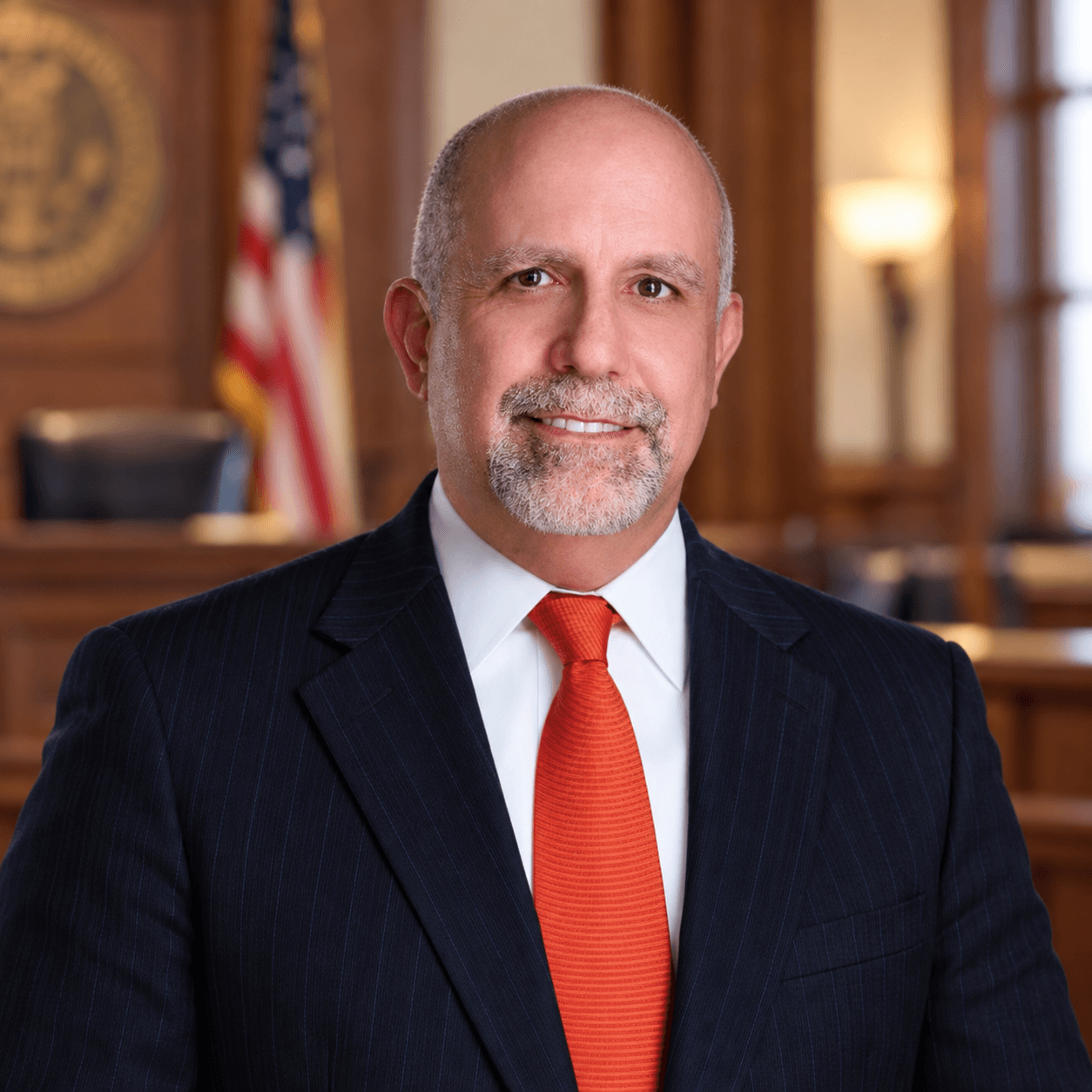
Glenn Katon
Legal & Civil Liberties Counsel
Glenn has built his career fighting injustice and representing people whose rights have been violated by powerful institutions. Glenn is a civil rights attorney and trial lawyer with more than 25 years of litigation experience, including more than 15 years focused on civil rights. He helps lead litigation strategy, case development, and the litigation of civil-rights and government-accountability cases. He has tried more than 15 cases, handled numerous appeals, and argued before the U.S. Courts of Appeals for the Ninth and Eleventh Circuits. His work has included police misconduct, prisoners’ rights, racial profiling, government surveillance, religious freedom, immigrants’ rights, free speech, and other constitutional and civil-rights matters. Glenn previously served as Litigation Director at the Asian Law Caucus, Legal Director at Muslim Advocates, and Senior Attorney and Director of the Religious Freedom Project at the ACLU of Florida. In those roles, he led and litigated matters involving government discrimination, law-enforcement practices, surveillance, religious liberty, and constitutional rights. Earlier in his career, Glenn worked in private litigation practice, served as a trial attorney with the U.S. Department of Justice, and clerked for U.S. District Judge Terry R. Means in the Northern District of Texas. He has also guest lectured on civil rights at Stanford Law School, the University of Florida College of Law, the University of San Francisco School of Law, and Florida A&M University College of Law. Glenn has been recognized as a Super Lawyer and holds an AV Preeminent rating from Martindale-Hubbell. He earned his J.D. from St. John’s University School of Law and his B.A. in Government from George Mason University.
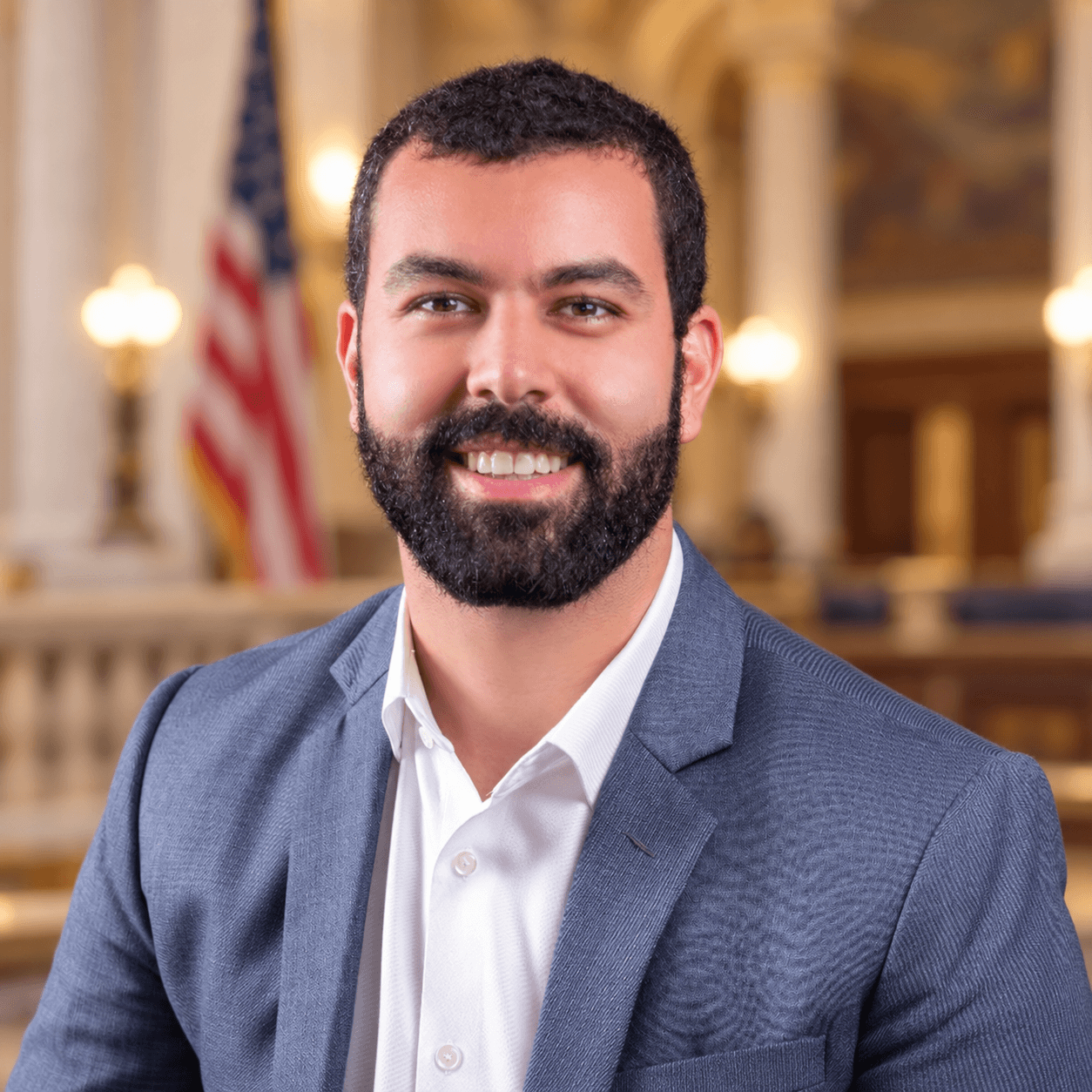
David Awad
Legal & Technology Counsel
David brings deep cross-disciplinary expertise spanning law, engineering, cybersecurity, and investment to complex matters involving technology, government systems, and public accountability. David is a California attorney and software engineer whose background spans law, cybersecurity, venture capital, technology policy, and advanced software systems. His work sits at the intersection of legal strategy and technical complexity, particularly where government action, data, software, surveillance, artificial intelligence, or digital infrastructure raise difficult legal and constitutional questions. Before entering legal practice, David built deep experience in software engineering and technology through work with organizations including Tumblr, MailChimp, SendGrid, Codecademy, Major League Hacking, and R3. He has also advised startups, investment funds, and private-equity firms on technical diligence, software systems, emerging technologies, and investment strategy. His background extends into cybersecurity, artificial intelligence, technical standards, and technology policy. He has taught cybersecurity at the graduate level at Georgia Tech and has worked on public-interest and policy matters involving complex digital systems and government processes. That combination of legal training and technical fluency allows him to analyze matters where law, technology, and government power intersect. David earned his J.D. from Northwestern California University School of Law, an M.S. in Computer Science from Georgia Tech, and undergraduate degrees in Computer Science and Physics from Rutgers University. He is admitted to practice law in California.
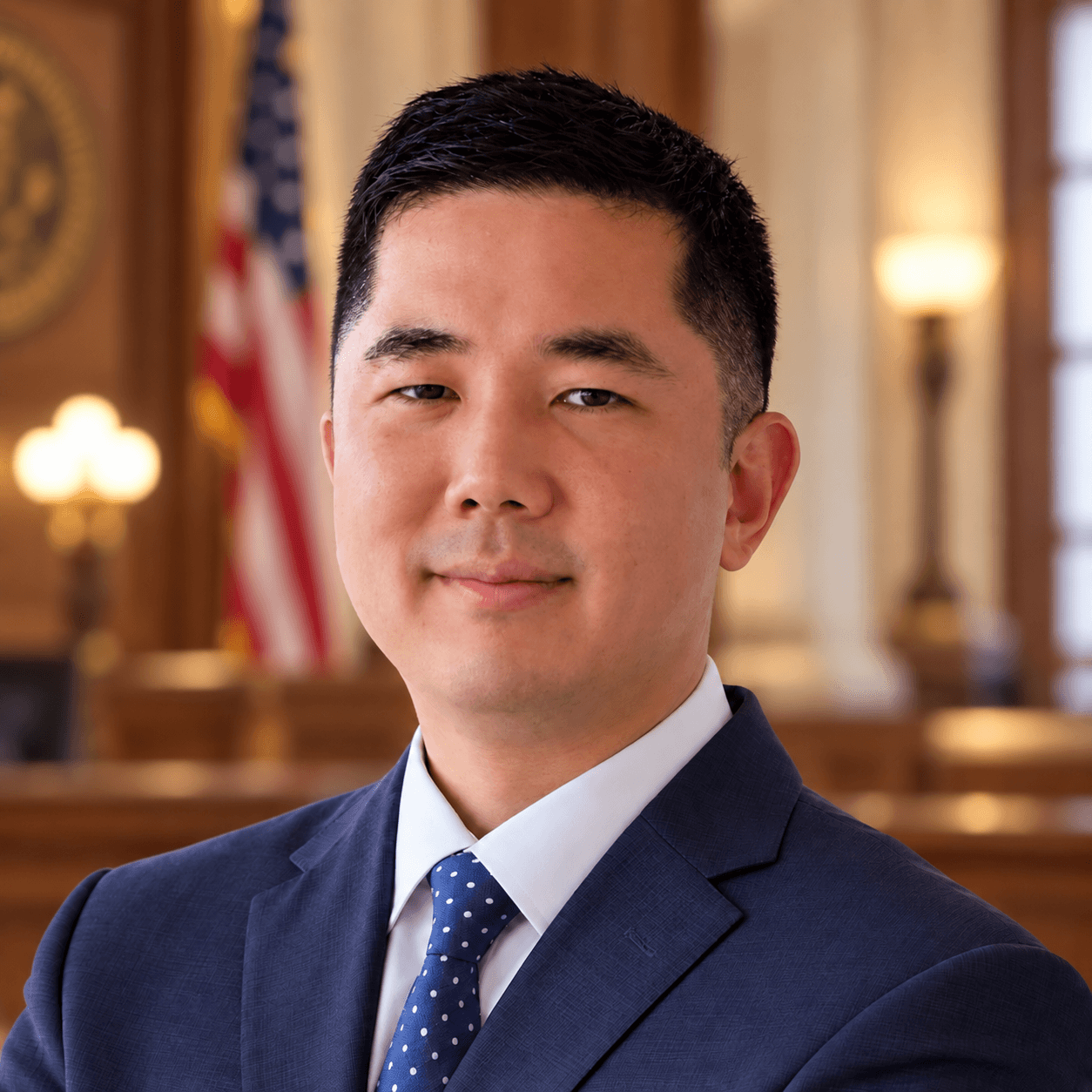
Samuel Park
Civil Rights Counsel
Sam brings a disciplined, trial-focused approach to civil-rights litigation, with particular experience representing individuals and families facing government agencies, law enforcement, and other powerful institutions. Sam is a California attorney whose practice spans civil-rights litigation, family law, and consumer protection. His civil-rights work focuses on claims arising from government overreach, police misconduct, institutional discrimination, interference with family integrity, fabricated or concealed evidence, and unconstitutional conduct by cities, counties, and public officials. His approach is grounded in careful preparation and a willingness to take difficult cases seriously from the outset. Sam develops matters with trial in mind—organizing the facts, testing the legal theory, and building the record necessary to hold government actors and institutions accountable. His civil-rights work includes claims under 42 U.S.C. § 1983 involving excessive force, unlawful child removal, judicial deception, government custody, Brady violations, fabricated evidence, and municipal liability under Monell. Sam is admitted to practice in California, all four U.S. District Courts in California, the U.S. Court of Appeals for the Ninth Circuit, and the U.S. Supreme Court. He earned his J.D. from the University of San Diego School of Law and his undergraduate degree in Cognitive Science and Psychology from the University of California, Berkeley.
Five driving principles guide everything we do
These five commitments drive every investigation, policy recommendation, and lawsuit we pursue to protect civil liberties and expose government misconduct.

Human Flourishing
Our guiding principles shape how we work: self-ownership and liberty, voluntaryism and choice, human-centered prosperity, stewardship and responsibility, fairness and equality before the law, and evidence-based policies.

Access to Justice
Every Californian should be able to stand up to powerful institutions. We make the legal system work for citizens, not just for government and well-funded interests.

Individual Liberty & Voluntary Cooperation
Authority flows from the people. Government exists to serve citizens within clear limits—not the other way around—and must answer for what it does.

Social & Economic Justice
We protect the ability of individuals, families, and small businesses to work, build, and thrive—free from punitive fines, selective enforcement, and unnecessary interference.

Corporate & State Accountability
One standard, no carveouts—for government agencies, corporations, or insiders. When power is abused, we hold the powerful to account.
Ready to take action against government overreach?
Contact the California Civil Defense Institute to report abuse, share your case, or learn how we can help protect your rights.
Partners and supporters stand with CCDI
CCDI stepped in and immediately saw what was wrong. They didn’t treat it like a minor issue—they treated it like what it was: government overreach. They broke down the violations, challenged the basis for the fines, and forced the county to justify actions they clearly couldn’t defend.
Joel Birch
Owner of J.T. Birch Woodworking

I was operating a fully permitted vacation rental, doing everything by the book, and still found myself targeted by the county. The inspections escalated, the fines piled up to nearly $30,000, and it became clear this wasn’t about compliance—it was selective enforcement. CCDI stepped in and recognized the pattern immediately. They pushed back on the warrantless inspections, challenged the fines, and treated my case for what it was: retaliation against a homeowner trying to run a lawful business.
London Litza
Vacation Home Rental (VHR) Owner

The County hit me with $228,800 in fines for building treehouses meant to support at-risk foster youth. No one was harmed. No complaints. Just escalating penalties and warrantless enforcement that made it impossible to keep going. CCDI stepped in and treated it for what it was—an unlawful inspection and a system abusing its power. They challenged the entries, the fines, and the entire premise that helping kids should be punished like a crime.
Bob Cardosa
Founder & Executive Director of Our Healing Forest