
A public interest organization is a nonprofit or private group dedicated to advocating for social causes, representing underserved populations, or promoting the general welfare through legal and civic action. These entities often operate as 501(c)(3) organizations focused on charitable or educational missions; alternatively, they may be private law firms that prioritize justice and policy change over traditional profit motives.
Many legal advocates and community leaders find themselves paralyzed by the complexities of challenging systemic government overreach without a sustainable institutional framework. When civil liberties are threatened, the distinction between standard legal representation and structured advocacy often determines the success of a defensive strategy. Understanding the mechanics of a public interest organization is vital for practitioners who seek to leverage the law for broader societal impact. This article examines the precise legal definitions and 501(c)(3) requirements that govern these groups, while clarifying the operational differences between public interest law firms and traditional legal aid clinics. We will analyze how these entities function as essential guardians of accountability and explore the strategic advantages they provide in the modern fight for constitutional protections and democratic integrity.
A Simple Definition of a Public Interest Organization
A public interest organization is a nonprofit entity dedicated to serving the common good rather than generating profit for shareholders or partners. While a traditional law firm typically represents paying clients to resolve private disputes, such as contract disagreements or personal injury claims, a public interest firm operates with a broader mandate. These organizations focus on legal issues that affect the rights, health, or economic well-being of the general public.
To understand what does a public interest group do, it is helpful to look at their specific targets. Instead of prioritizing billable hours, these groups focus on systemic reform. This often involves representing underrepresented individuals, property owners, or small businesses that lack the resources to challenge powerful institutions alone. At the California Civil Defense Institute, we leverage strategic litigation and policy advocacy to address government accountability and economic freedom.
Our work involves investigating misuse of public funds and challenging regulatory overreach that stifles local commerce. Unlike for-profit associations of lawyers, our success is measured by the protection of civil liberties and the enforcement of transparency. By focusing on these systemic issues, public interest organizations ensure that constitutional protections are not merely theoretical concepts, but practical realities for all Californians.
The Legal Status of Public Interest Groups: 501(c)(3) and Public Charities

Understanding the administrative backbone of a public interest organization requires a closer look at the IRS tax code. A common point of confusion is the difference between a 501(c)(3) and a public charity. In practice, these terms are related but distinct. The term 501(c)(3) refers to the specific section of the Internal Revenue Code that grants tax exempt status to organizations operated exclusively for charitable, religious, educational, or scientific purposes. This designation ensures that the organization’s assets and income are dedicated to the public benefit rather than private profit.
Within the 501(c)(3) framework, the IRS further distinguishes between private foundations and public charities. Most public interest law firms, including the California Civil Defense Institute, are classified as public charities. This classification is primarily determined by the organization’s funding structure. While a private foundation is typically funded by a single individual, family, or corporation, a public charity must demonstrate that it receives financial support from a broad base of the general public. This requirement ensures that the organization remains accountable to the community it serves rather than the interests of a single benefactor.
This legal status is vital for our operational capacity. It provides the framework necessary to conduct rigorous research, engage in strategic litigation, and facilitate public education regarding constitutional rights. By maintaining public charity status, we can focus on long term systemic changes that improve access to justice for property owners and small businesses. This structure allows us to dedicate resources to investigating government overreach and ensuring that public institutions remain transparent and legally compliant without the conflicts of interest inherent in traditional for profit models.
How Public Interest Law Firms Differ From Legal Aid

While both legal aid offices and public interest law firms are essential to the legal landscape, they serve fundamentally different functions. Legal aid organizations primarily provide direct service. This means they represent individuals in specific, private disputes, such as navigating a divorce, contesting a single eviction, or securing government benefits. These services are vital for immediate relief, yet the resolution of a legal aid case rarely changes the underlying legal framework for anyone other than the specific client.
In contrast, a public interest organization like the California Civil Defense Institute focuses on impact litigation. Rather than addressing isolated grievances, we engage in strategic litigation designed to alter how laws are applied to all citizens. The primary goal is setting a precedent, a legal decision that serves as an authoritative rule for future cases.
When we successfully challenge an unconstitutional permitting process or an abusive municipal code, the victory extends far beyond the individual plaintiff. Winning one case can protect the rights of thousands of small businesses and property owners across California simultaneously. By focusing on these systemic issues, we expand access to justice by ensuring that the legal victory of one person becomes a shield for the many. This approach addresses the root causes of government overreach rather than just treating the symptoms.
The Mission of Modern Public Interest Groups: Government Accountability and Civil Liberties
The mission of a modern public interest organization often reflects the specific tensions of its era. For the California Civil Defense Institute, that mission is rooted in the friction point where government power meets individual rights. While many organizations in this space align themselves with specific political movements or partisan agendas, our approach is distinct. We are neither conservative nor liberal. We are pro-human. This means we do not view legal challenges through a partisan lens, but rather through the lens of constitutional compliance and human dignity.
Our work focuses on ensuring that government agencies at all levels remain accountable to the citizens they serve. In California, this often requires the rigorous enforcement of the California Public Records Act. Transparency is not a political preference; it is a fundamental legal requirement. When agencies obfuscate or deny access to information, they erode the necessary process of investigating misuse of public funds. Similarly, addressing police misconduct is not about being for or against law enforcement, but about ensuring that those granted the power of the state exercise it within the strict, legal bounds of their authority.
We also tackle the administrative hurdles that impact daily life for Californians, such as abusive permitting or zoning practices. These regulatory barriers often function as invisible taxes on small businesses and property owners, stifling economic participation without providing a commensurate public benefit. By challenging these practices, we advocate for a philosophy of better government, not necessarily bigger or smaller. A better government is one that is transparent, competent, and respects the boundaries of its mandate. This focus on institutional integrity ensures that access to justice is fulfilled through practical results rather than ideological rhetoric. By holding public institutions to these standards, we protect the economic freedom and civil liberties of every individual, regardless of their political affiliation.
Examples of Public Interest in Action
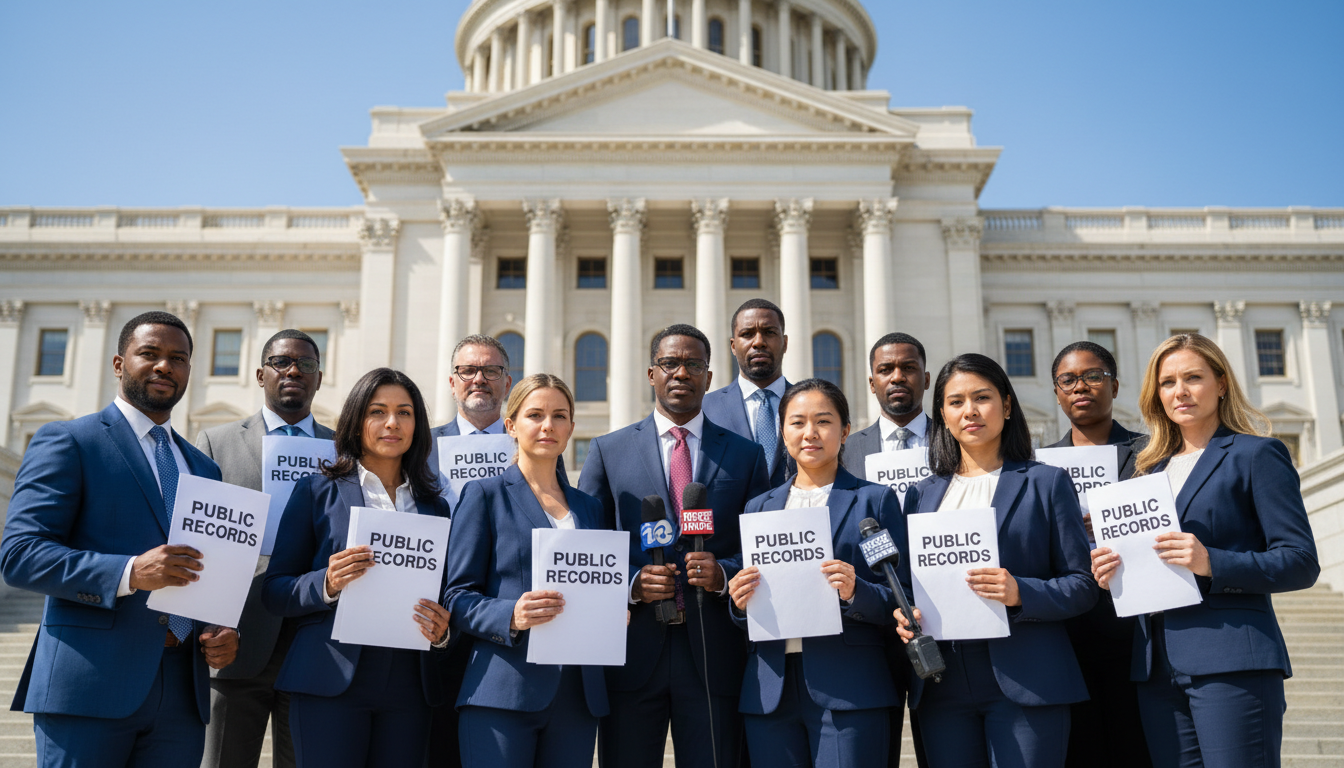
A public interest organization translates abstract constitutional concepts into tangible legal protections. To understand these examples in practice, consider how the California Civil Defense Institute exercises stewardship over the law through specific, high-impact activities:
Transparency Audits: We conduct First Amendment audits and utilize the California Public Records Act to ensure government operations remain visible. By investigating misuse of public funds, we hold officials accountable for the management of taxpayer resources and the integrity of administrative processes.
Economic Freedom: This involves challenging regulatory barriers that stifle local commerce. We litigate against abusive permitting processes or arbitrary zoning ordinances that prevent small businesses and property owners from exercising their economic rights.
Individual Liberty: We defend citizens against state overreach, focusing on cases involving due process violations or police misconduct. This work ensures that the power of the state remains within its legal boundaries, protecting the fundamental rights of all individuals.
Evidence-based Policy: Beyond the courtroom, we advocate for reforms that prioritize practical human outcomes over ideological preferences. We support policies grounded in data and results rather than rhetoric.
These actions represent a serious responsibility to the public. By focusing on these areas, we expand access to justice for Californians who lack the resources to challenge systemic institutional failures or bureaucratic overreach on their own.
Why Public Interest Organizations are Critical for a Functioning Democracy
A functioning democracy relies on a robust system of checks and balances that extends beyond the three branches of government. A public interest organization acts as a critical independent watchdog, ensuring that the power of the state does not go unchecked. In California, government agencies possess nearly unlimited taxpayer funded resources to defend their actions, even when those actions overstep legal bounds. For an individual citizen or a small business owner, the financial and temporal costs of challenging a municipal department or a state board are often prohibitive. This resource asymmetry creates a situation where rights may exist on paper but remain unenforceable in reality.
Public interest groups bridge this gap by providing access to justice to those who would otherwise be silenced by the sheer weight of bureaucracy. By pooling donor resources and specialized legal expertise, these organizations allow citizens to face large institutions on equal footing. This level of engagement is necessary to ensure that public institutions remain accountable to the people they serve, rather than to their own internal interests or administrative convenience.
Furthermore, the presence of these organizations serves as a deterrent against systemic misconduct. When a government body knows its actions will be scrutinized through public investigations or strategic litigation, it is more likely to adhere to constitutional standards. By transforming abstract legal protections into practical defensive tools, public interest law firms preserve the integrity of the democratic process. They ensure that the rule of law applies to every entity, regardless of its size or political influence, thereby maintaining the balance required for a free and functioning society.